Dr. Kushlev joined Celeste Headlee on NPR’s “Here & Now” to discuss the relationship between happiness and screen time. He offers practical tips for how to reduce our fixation on our devices. Listen to the show here.
Dr. Kushlev joined Celeste Headlee on NPR’s “Here & Now” to discuss the relationship between happiness and screen time. He offers practical tips for how to reduce our fixation on our devices. Listen to the show here.
There’s a new bar in D.C. taking digital detox to the next level. In an effort to curb our constant digital distraction, Hush Harbor is banning customers from using cellphones while inside. Multiple news organizations reached out to Dr. Kushlev to discuss the research behind this idea. He’s featured in an article in The Washington Post and in interviews by NBC News and CNN Newsource.
We're excited to share that one of our Happy Tech Lab research assistants recently published an op-ed in The Boston Globe reflecting on her summer experience working in the Massachusetts Governor's office.
Drawing from her firsthand policy-making experience, she reflects on what she's learned about the power of public service—experiencing the fast pace of responding to an often tumultuous news cycle, seeing the necessity of relationships, and witnessing the change that dedicated, hardworking individuals can make. In the piece, she explains how her time in government will strengthen her work as she continues researching technology laws and adolescent well-being at the Happy Tech Lab.
Read her full op-ed here to learn more about her journey.
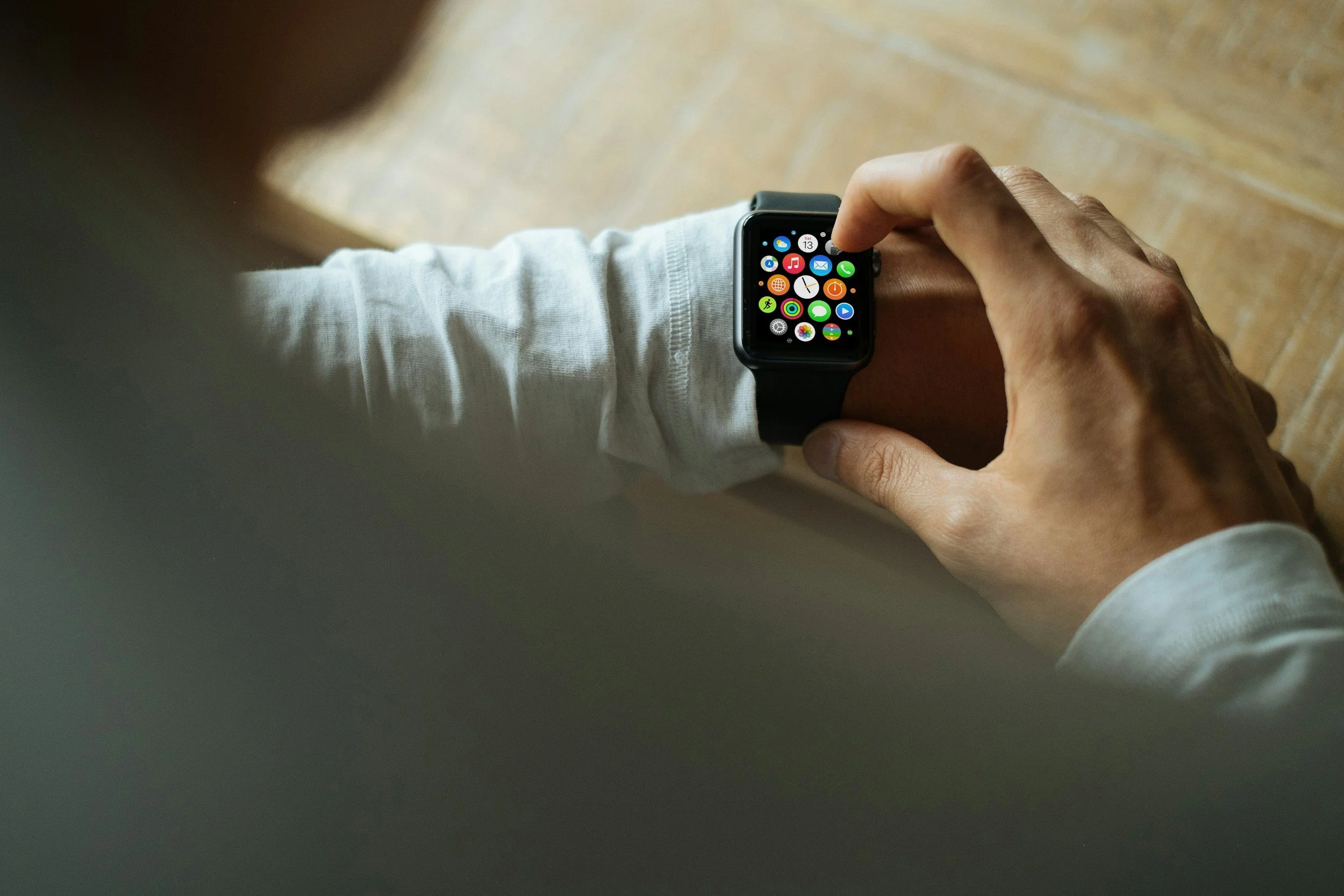
Dr. Kushlev was featured in a Men’s Health article about digital detox. The author goes 30 days without using his smartwatch and experiences some common benefits in attention and focus. He speaks with Dr. Kushlev to break down the research behind these practices. Read the article here.
Georgetown researchers Kibum Moon, Adam Green, and Kostadin Kushlev published a paper on the relationship between large language models (LLMs) and creativity in Computers in Human Behavior: Artificial Humans. While LLMs may benefit creativity on an individual level, their research indicated that “the widespread use of LLMs could diminish the collective diversity of creative ideas.”