Dr. Kushlev Featured In The Atlantic

Dr. Kushlev Featured In The Atlantic

Dr. Kushlev was featured in an Atlantic article on how the improvement in airplane Wi-Fi is eliminating one of the last remaining refuges from the online world. Historically, airplanes were one of the few places where it was generally acceptable to be unreachable, but that may be changing as it becomes increasingly easier to access the internet in the sky. Dr. Kushlev discusses the possible implications of this trend on our well-being and recounts his own formative experience journaling on an airplane, the kind of deep reflection that is harder to do the more online distractions there are. Read the full article here.

The "Summer of Ludd"

The "Summer of Ludd"

In the wake of technology’s increasing influence in our lives, there is a growing movement of young people seeking out device-free social interaction. A Washington Post article featuring Dr. Kushlev explores one manifestation of this movement, a New York festival called “Summer of Ludd.” In the article, Dr. Kushlev discusses how social connection can be a critical aspect of moving away from our devices and back to the real world. Read the full story here.

PBS News Features Dr. Kushlev

PBS News Features Dr. Kushlev

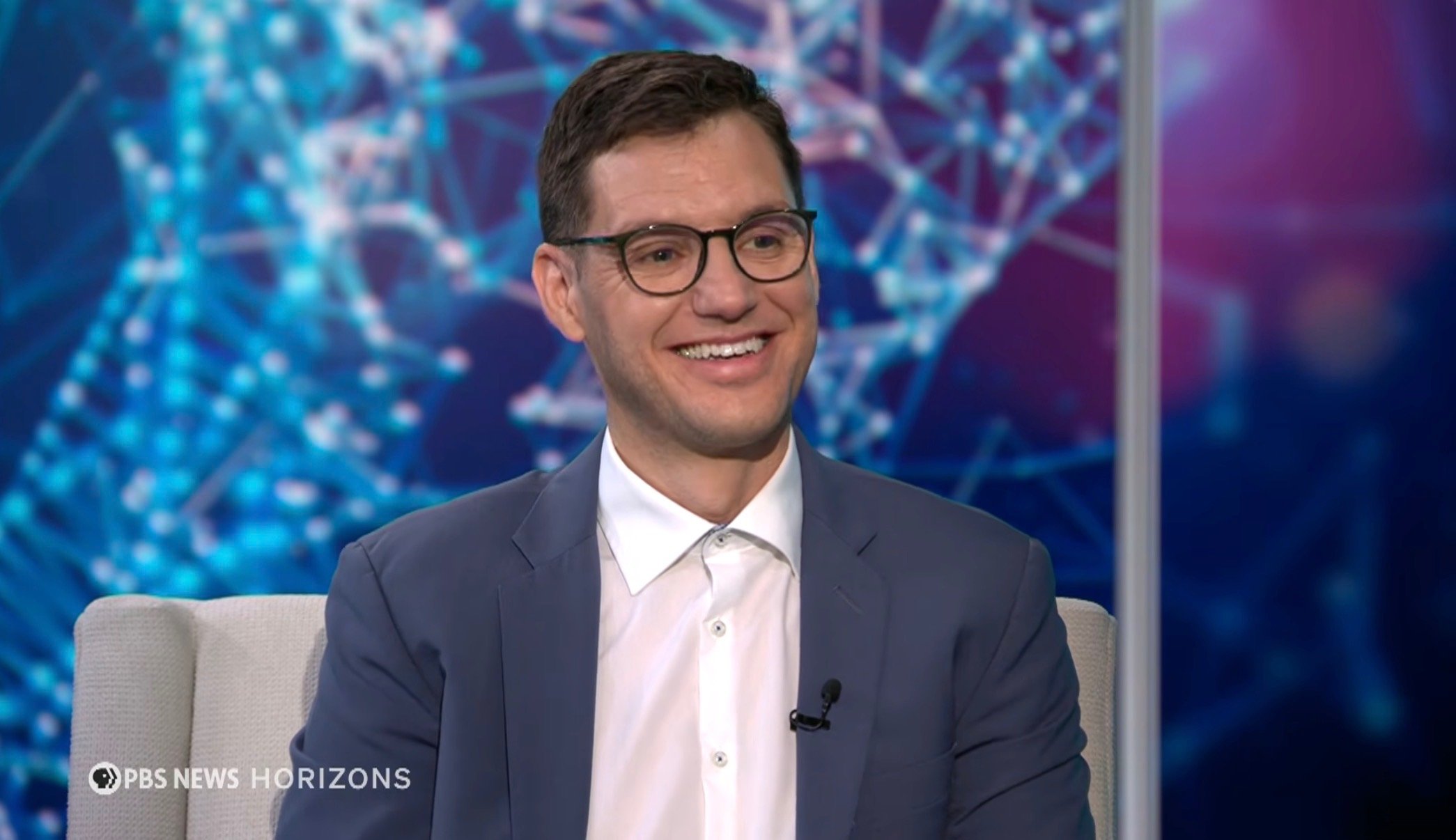
Dr. Kushlev appeared on PBS News’s Horizons to discuss the state of the research regarding how technology impacts our well-being. Along with Northwestern University Feinberg School of Medicine’s Dr. Courtney K. Blackwell, he delves into what the current research does and doesn’t say, emphasizing what trends are there, but also areas where further research is needed. In the episode, Dr. Kushlev highlights the efforts of the Happy Tech Lab to bridge the gap that exists in the current literature. To learn more, watch the full episode here.

Logged Off, Better Off?

Logged Off, Better Off?

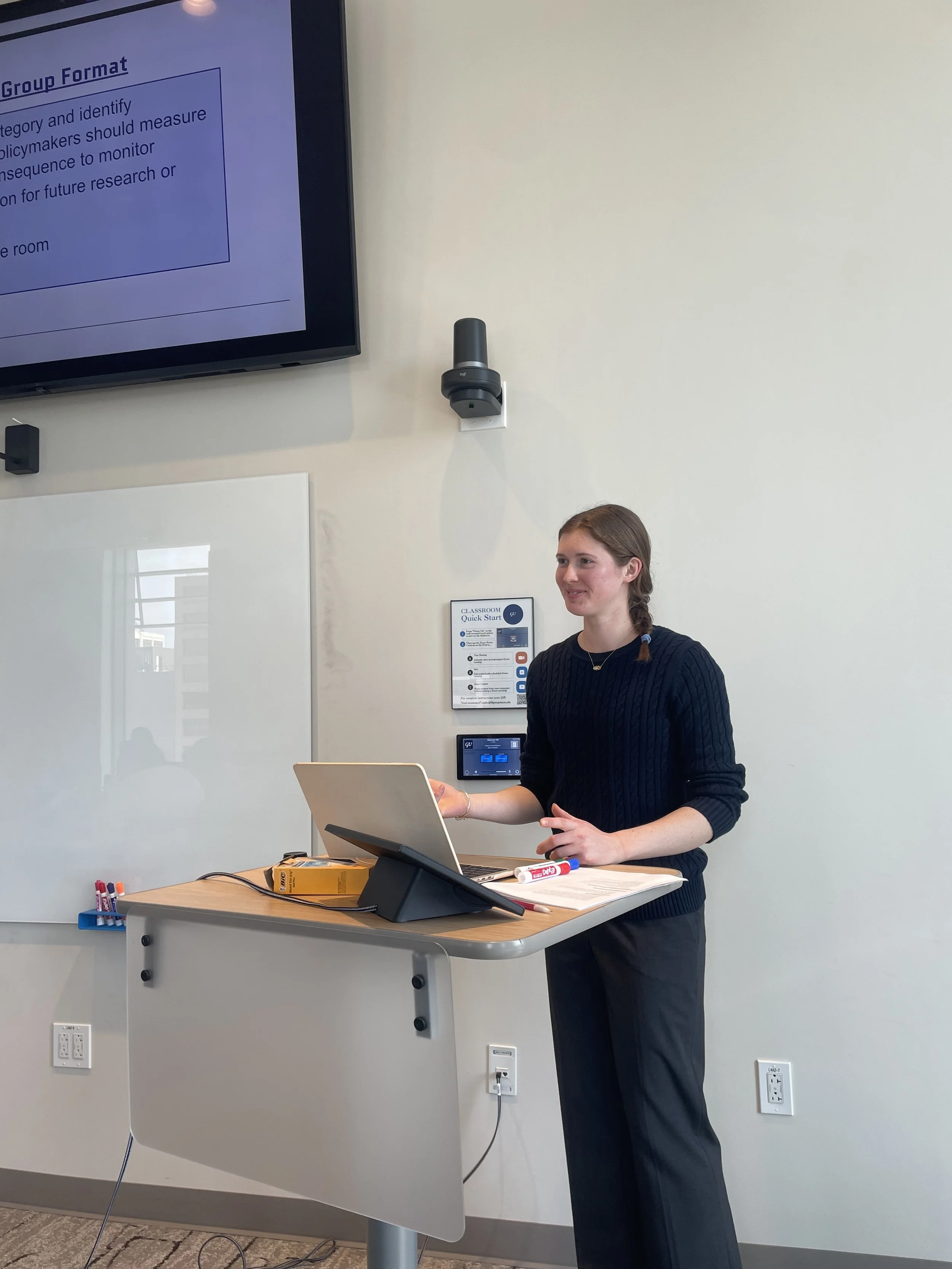
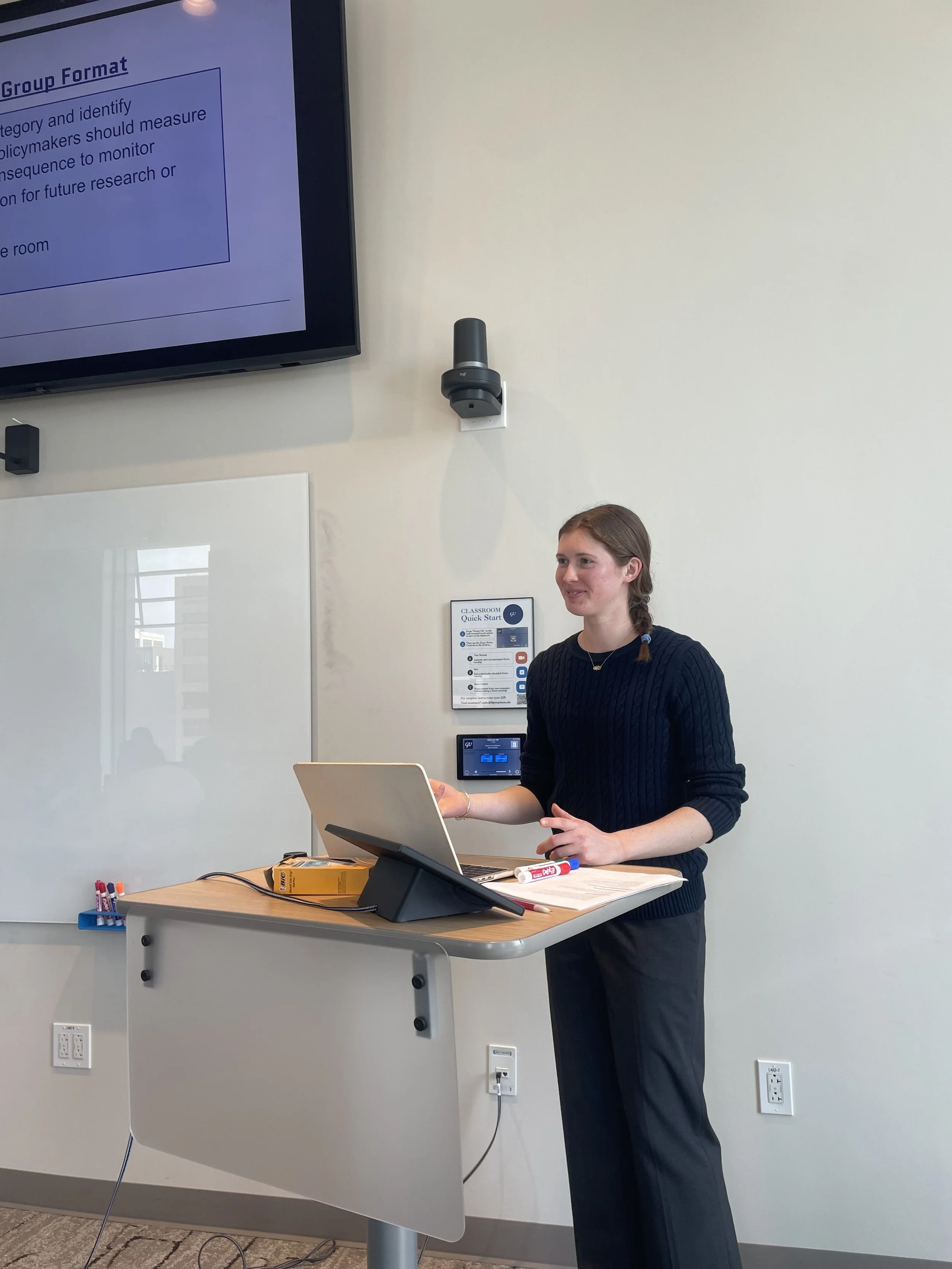
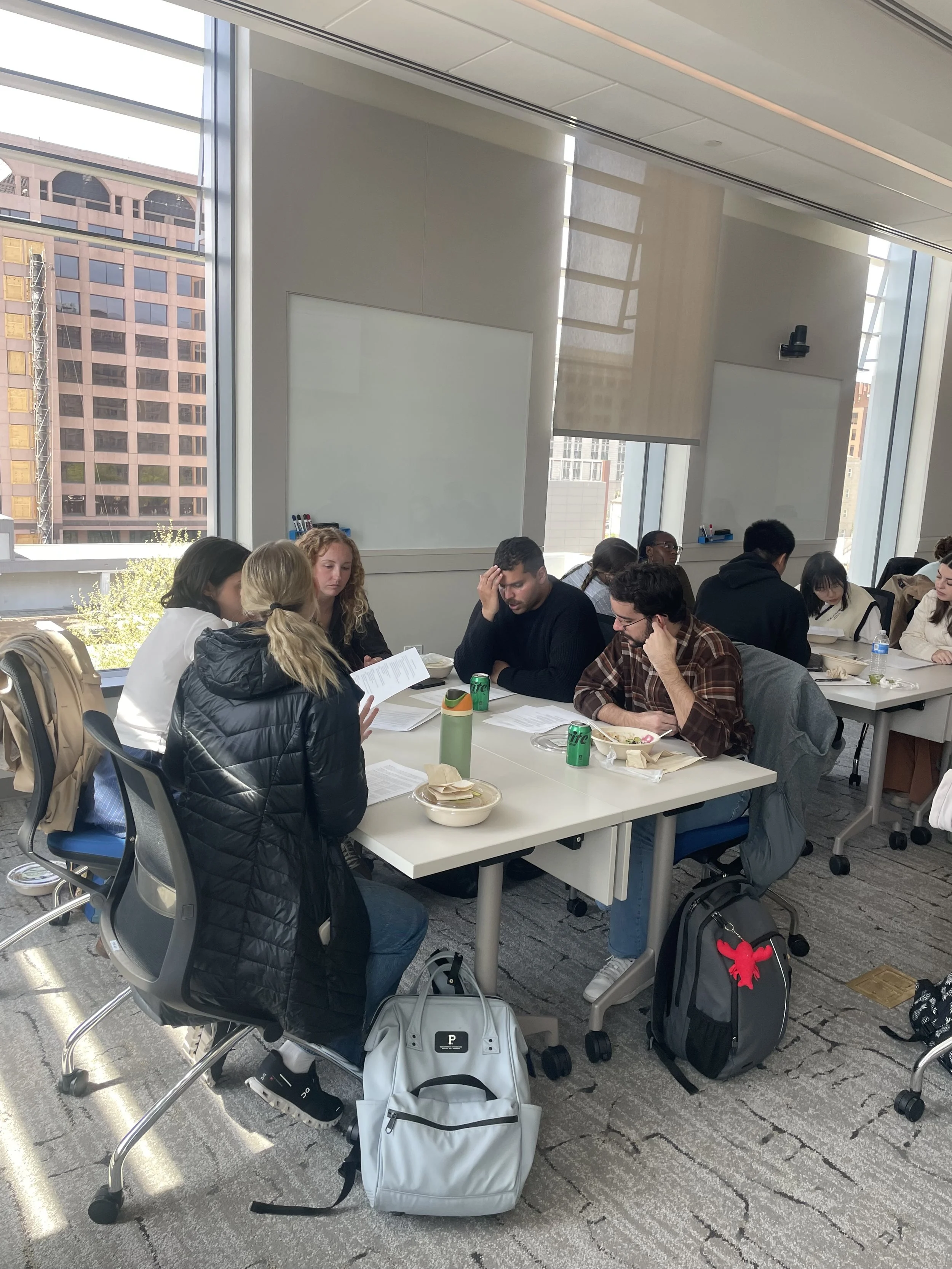
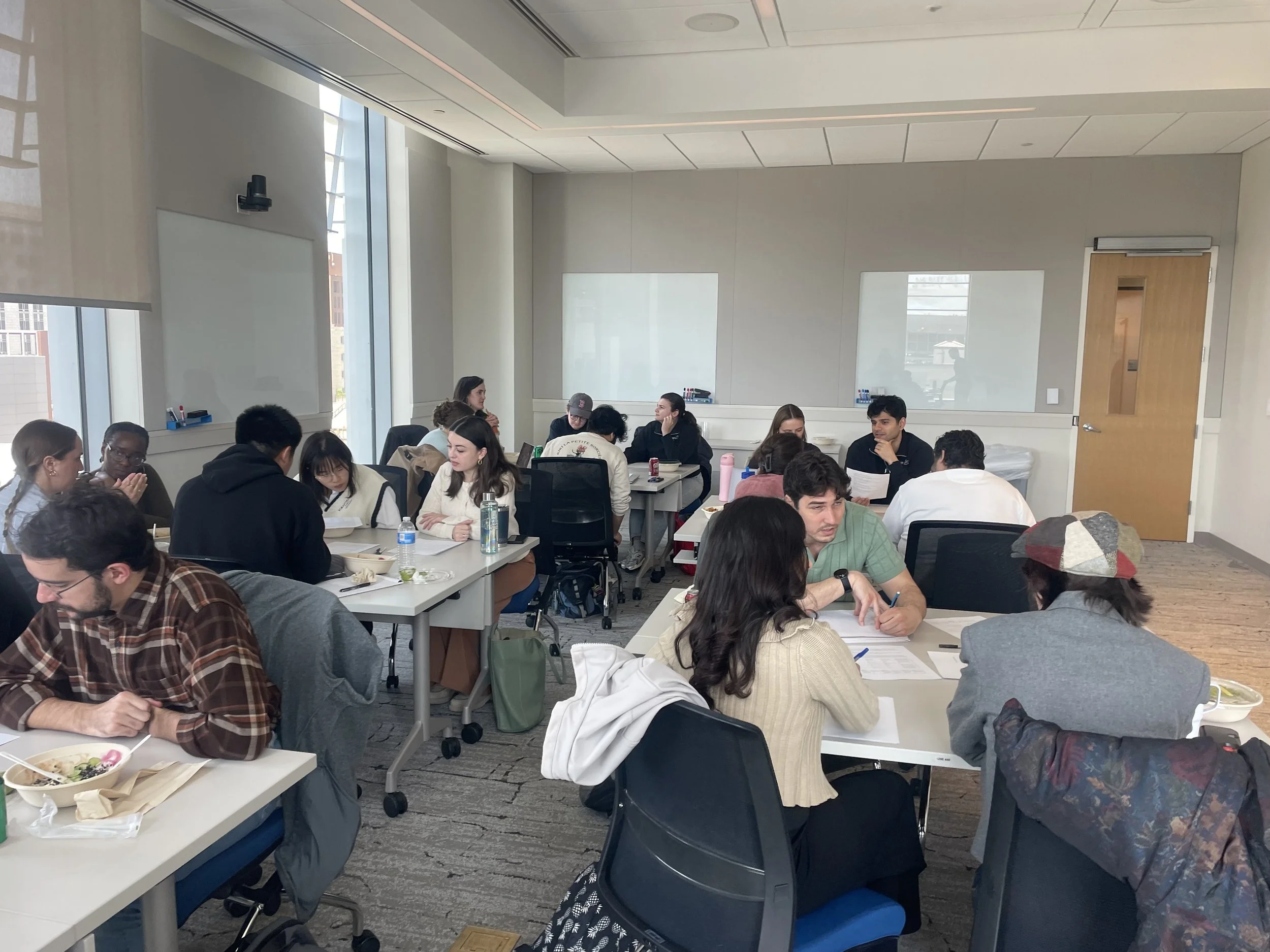
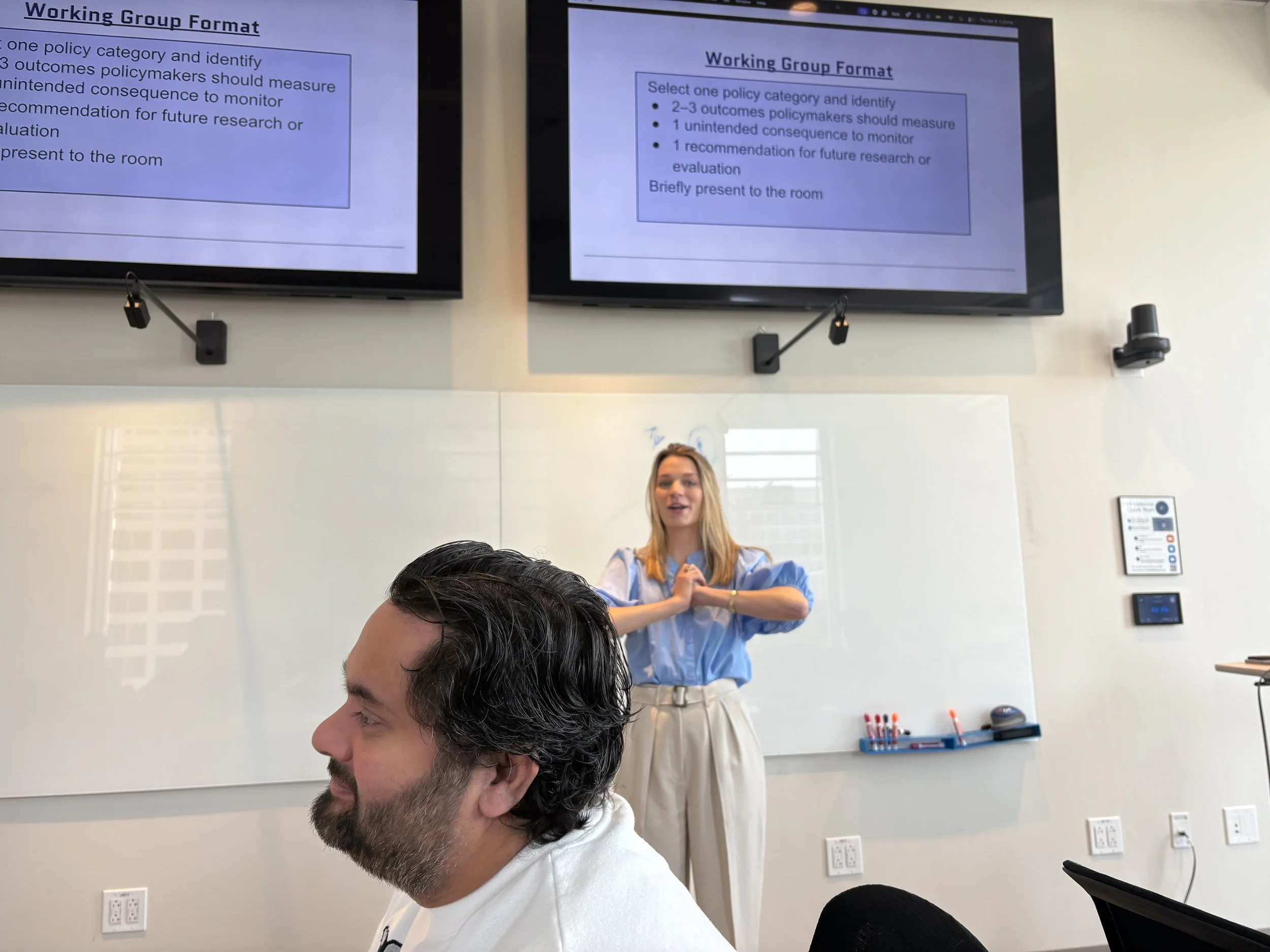
The Happy Tech Lab, in collaboration with the Georgetown Technology Policy Initiative (GTPI), successfully executed a workshop titled “Logged Off, Better Off? Evaluating Social Media Policy in the U.S. and Australia.” Led by Grace Falgoust (PhD student) and Bella DeLeo (undergraduate), the event served as a formal dissemination of findings supported by the Tech and Public Policy (TPP) Grants Program.

The workshop examined the efficacy of international regulatory frameworks, specifically comparing Australia's legislative milestones with domestic U.S. initiatives. Beyond policy analysis, the session engaged 25 student participants in identifying critical data gaps required for the long-term evaluation of youth mental health outcomes. This event reinforced Georgetown’s commitment to fostering student-led, interdisciplinary dialogue at the nexus of technology and public interest.